How to Keep Your Dental Bridge Clean and Lasting for Years: A Winter Park Dentist’s Guide
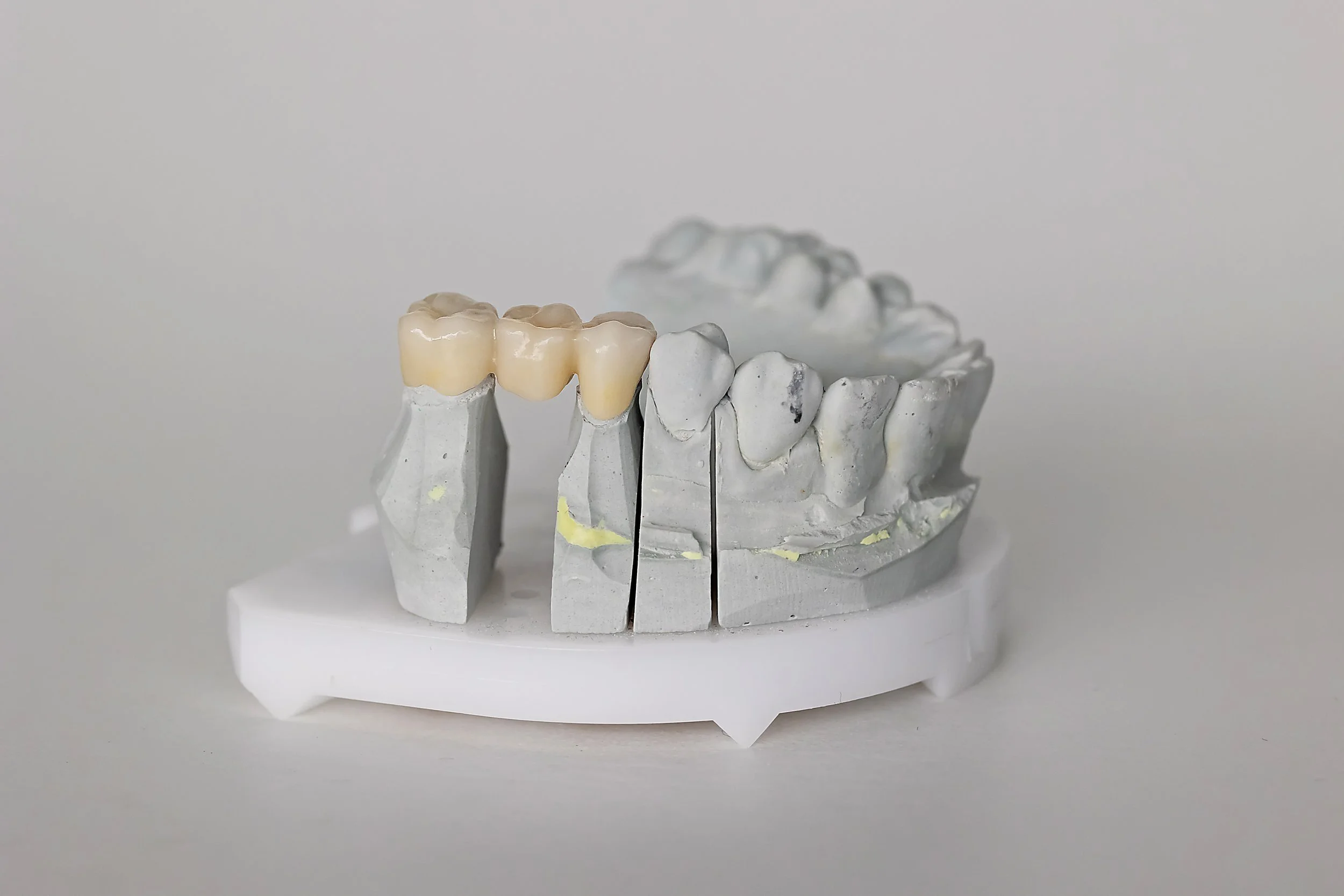
Dental bridges are one of the most reliable and quickest ways to replace missing teeth; but like all dental work, they require diligent care to stay healthy and functional. At The Ivory Dental in Winter Park, we often see patients who have invested in beautiful bridges, only to face preventable problems such as decay under the crowns or gum inflammation. The truth is, keeping a dental bridge clean takes a little extra effort, but with the right tools and habits, you can extend its lifespan and protect the teeth supporting it for many years to come.
In this article, we’ll cover how to properly clean your dental bridge, the importance of flossing underneath it, and why tools like Waterpik® water flossers are invaluable for maintenance. We’ll also explain why staying consistent with at-home care and professional checkups can help you avoid costly complications in the future.
Why Dental Bridge Care Matters So Much
A dental bridge literally “bridges” the gap left by missing teeth, using the neighboring teeth (called abutment teeth) as anchors. These supporting teeth are often covered by crowns that hold a false tooth (pontic) in between. Because of this design, plaque and food debris can easily collect underneath the bridge where your toothbrush can’t reach.
Over time, trapped plaque can lead to:
Cavities under the bridge crowns
Gum irritation and inflammation
Bone loss or decay in the supporting teeth
If decay progresses too far, the anchor teeth may no longer be strong enough to support another bridge; and at that point, an implant or denture may be the only option. Bridges are an investment in both your smile and oral function, and they can only be replaced a limited number of times before there’s simply not enough natural tooth left. That’s why prevention is key.
Flossing Underneath the Bridge: The Most Important Step
One of the most important but often overlooked parts of bridge care is cleaning underneath the pontic (the false tooth). Traditional flossing between the teeth that aren’t part of the bridge is still essential, but it won’t reach the area under your bridge unless you use a specialized tool.
Use a Floss Threader or Super Floss
A floss threader is a small, flexible loop (similar to a sewing needle) that helps you guide dental floss under the bridge. Threading the floss through and gently sliding it along the gumline under the bridge removes trapped food particles and plaque that brushing simply can’t reach.
For convenience, many patients prefer “Super Floss”, which is a pre-cut floss with a stiffened end for threading, a spongy section for cleaning under bridges, and a regular section for flossing between teeth. Either method works well, as long as you use it daily.
How to Floss Under a Bridge
Thread the floss under the bridge using the floss threader.
Slide the floss gently back and forth along the gumline beneath the pontic.
Move it up and down against each supporting tooth to clean where the crown meets the gum.
This technique takes a few extra minutes, but it’s the best way to prevent decay under the crowns and maintain gum health around your bridge.
The Power of the Waterpik® (Water Flosser)
If threading floss feels too tedious or you struggle with dexterity, a Waterpik® or similar water flosser can be an excellent alternative. While it doesn’t replace manual flossing entirely, it’s far better than doing nothing; and studies show it can significantly reduce plaque and inflammation around bridges, implants, and crowns.
Why Water Flossers Work
The pressurized water jet flushes out food debris and bacteria under the pontic and along the gumline.
It’s gentle on the gums and ideal for patients with sensitivity or arthritis.
It can reach tight spaces and angles that traditional floss might miss.
For the best results, use warm water and point the tip of the flosser along the gumline and under the bridge from both sides. Daily use can dramatically reduce bleeding, odor, and buildup. Ask your Winter Park dentist if you can achieve an even better result by using some mouthwash in the water flosser instead of plain water.
Our Recommendation:
At The Ivory Dental, we often suggest that patients use both methods; threader floss once daily and a water flosser for quick cleanings after meals. It’s a simple combination that gives you the best of both worlds: mechanical cleaning and easy maintenance.
Other Effective Strategies to Maintain Your Bridge
Keeping your dental bridge clean goes beyond flossing. Here are a few more steps that can make a big difference:
1. Brush Thoroughly Twice a Day
Use a soft-bristled toothbrush and fluoride toothpaste to gently clean around the bridge and crowns. Pay close attention to where the bridge meets the gumline; plaque often accumulates that transition area.
2. Use an Interdental Brush
An interdental brush (a small cone-shaped brush) can help clean between the crowns and along the gumline, especially if your bridge design allows for it. This is also a great tool if you have areas of recession on your other teeth in the mouth.
3. Rinse with Antibacterial Mouthwash
A daily mouth rinse helps reduce bacteria and keeps your gums healthy, especially if you’re prone to inflammation or dry mouth.
4. Watch Your Diet
Sticky, sugary foods can cling to your bridge and increase decay risk. Opt for balanced meals, chew evenly on both sides, and avoid using your bridge teeth to open or bite into hard items.
5. Schedule Regular Checkups
Even the best home care can’t replace professional maintenance. Your dentist can:
Check for early signs of decay or leakage under the bridge
Polish away tartar buildup
Evaluate your bite to prevent uneven stress on the bridge
At The Ivory Dental in Winter Park, we recommend professional cleanings every six months; or more often if you’re prone to gum disease.
When to See Your Dentist About Your Bridge
If you notice any of the following signs, it’s time to schedule an appointment:
Food consistently getting trapped under the bridge
Sensitivity or discomfort around the supporting teeth
Red, bleeding, or swollen gums
Bad breath that doesn’t go away with brushing
A loose or shifting bridge
These can indicate early decay, gum infection, or issues with the cement holding your bridge in place. Catching them early can often mean the difference between a simple repair and a complete replacement.
Protect Your Investment And Your Smile
Your dental bridge is more than just a cosmetic fix; it restores your ability to chew, speak, and smile with confidence. But without proper care, it can quickly turn into an expensive problem. Remember:
Floss under your bridge daily using a threader or “Super Floss”.
Use a Waterpik® to supplement and keep debris from building up.
Brush gently, rinse often, and see your dentist regularly.
At The Ivory Dental, our Winter Park dental team is here to help you keep your bridge; and your smile; healthy for life. Whether you’re maintaining an existing bridge or think you might need a new one, we’d love to help you explore your options.
Call us today or request an appointment online to schedule a bridge evaluation or cleaning visit. Your future smile will thank you!